Engine Department

Specialised training for engineers and technical staff, focusing on the maintenance, operation, and troubleshooting of ship engines and related systems.
    Course Types:

  • Ratings:

  • Top Authors:

  • Price:

  • Language:

  • Length:

Control valves are integral components within the maritime control systems of ships, contributing significantly to the safe and efficient operation of various marine systems. These valves, including Globe Valves, Butterfly Valves and Ball Valves, play a crucial role in regulating fluid flow, pressure and temperature. Their precise control capabilities are vital for maintaining optimal conditions, enhancing operational efficiency and ensuring the safety of both the vessel and its crew.

• Engineering
• 21 minutes
Avg. rating 4.5

Marine Materials and Corrosion Prevention are paramount considerations in the maritime industry, especially for the Merchant Navy. The choice of materials, their properties, and effective corrosion prevention techniques play a crucial role in ensuring the safety, durability and efficiency of vessels. This subject area covers the importance of materials selection, corrosion fundamentals, prevention technologies and maintenance strategies. Understanding safeguarding vessels against the corrosive forces of the marine environment and ensuring compliance with international standards.

• Maintenance and Repair
• 50 minutes
Avg. rating 4.5

In the maritime industry, pumps are vital for diverse ship functions, ensuring fluid circulation and system efficiency. Centrifugal pumps, widely used for their reliability, play key roles in cooling, ballast transfer and bilge pumping. The merchant navy relies on these pumps for propulsion, power generation and auxiliary machinery, ensuring overall vessel safety and functionality. Understanding centrifugal pump types, applications and maintenance principles is essential for maintaining optimal performance and safeguarding the complex systems of maritime operations.

• Engineering
• 37 minutes
Avg. rating 4.5

Planned Maintenance Systems (PMS) are vital for efficient maintenance management onboard merchant ships. This introduction provides an overview of the key aspects of PMS, including equipment identification, maintenance task planning, scheduling, work order generation, execution, and performance monitoring. Implementing a well-designed PMS ensures increased reliability, enhanced safety, regulatory compliance, and cost-effective asset management.

• Maintenance and Repair
• 53 minutes
Avg. rating 4.5

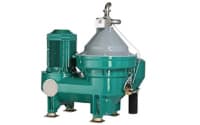
Fuel purifiers play a crucial role in the merchant navy, where ships rely on diesel or heavy fuel oil (HFO) for propulsion and power generation. These fuels, although essential, can contain impurities that can lead to engine damage, reduced efficiency, and increased maintenance costs. Fuel purifiers are designed to remove these impurities and ensure the smooth and efficient operation of marine engines.

• Engineering
• 15 minutes
Avg. rating 4.5

Steam boilers are critical components in marine propulsion systems and power generation onboard vessels. They serve as the primary source of energy for various applications, including propulsion, electricity generation, heating, and hot water production.

Steam boilers are essential for the efficient and reliable operation of marine vessels, ensuring the availability of power and heat for propulsion and onboard systems.

• Engineering
• 56 minutes
Avg. rating 4.6

The maritime industry is witnessing a growing reliance on electrical propulsion systems, emphasising the role of induction motors in various applications. Induction motors, key for converting electrical energy into mechanical work, contribute to efficiency, reliability and flexibility in power distribution across diverse maritime functions. The integration of induction motors marks a technological advancement in maritime engineering, aligning with the industry's pursuit of sustainability and enhanced operational capabilities.

• Engineering
• 54 minutes
Avg. rating 4.4

Discover the critical role of batteries in maritime engineering, where Lead-Acid and Lithium-Ion technologies are pivotal for optimising power on vessels. These batteries, with distinct advantages and applications, ensure efficient energy usage and support various onboard systems. Explore the central importance of Battery Management Systems (BMS) in monitoring, balancing, and securing safe battery operation. Delve into the integration of batteries in maritime systems, addressing maintenance practices and adherence to international regulations.

• Electrics and Power Systems
• 1 hour and 0 minutes
Avg. rating 4.4

The full version of this course is directed to the training of the personnel responsible for the control of the waters on board seagoing vessels according to the most recent international regulations and the good practices in the field.

• Engineering
• 25 minutes
Avg. rating 4.1

This course is directed to the training of the personnel responsible for the control of the waters on board seagoing vessels according to the most recent international regulations and the good practices in the field.

• Engineering
• 24 minutes
Avg. rating 4.5

This course is directed to the training of the personnel responsible for the control of the waters on board seagoing vessels. The aim of the course is to develop adequate knowledge of the healthiness of drinking water and how disease & infections travel through water.

• Engineering
• 44 minutes
Avg. rating 4.4

This course is directed to the training of the personnel responsible for the control of the waters on board seagoing vessels according to the most recent international regulations and the good practices in the field.

• Engineering
• 32 minutes
Avg. rating 3.8