Exciting changes ahead!As part of Seably joining Mintra, we’re preparing to upgrade customers to Trainingportal. Migrations will be phased, and you’ll be fully informed before any changes. Learn more

All Topics

Designed for seafarers seeking to enhance their skills and knowledge in the maritime industry. These comprehensive courses cover a range of topics, including navigation, safety protocols, emergency procedures, and industry regulations.
Courses to Get You Started
    Explore:

  • Course Types:

  • Topics:

  • Ratings:

  • Top Authors:

  • Price:

  • Language:

  • Length:

Maritime Swedish Vocabulary for Safety and Security is a course specifically made to give you some fundamental knowledge of maritime phrases and vocabulary to be used onboard. The course is aimed at the crew who need to gain some basic understanding of maritime Swedish.

Communications
48 minutes
Avg. rating 4.5

Working on any type of ship is a hazardous occupation, to which you are exposed as soon as you step onboard. It is necessary to understand the hazards, as well as equipment and procedures, to avoid the risks. There are several types of equipment on board a ship involving safety hazards. Everyone onboard must be aware of the likely dangers concerning this equipment.

Personal Safety
1 hour and 24 minutes
Avg. rating 4.4

This course will introduce, explain and then teach you how to begin learning the International Regulations for Prevention of Collisions at Sea (Rules of the Road).

Navigation
1 hour and 22 minutes
Avg. rating 4.7

This course introduces the legislation and guidance for Bridge Watch Handovers. The learner will explore the fundamental principles of handing over the watch as well as the practical applications.

Human Resource
29 minutes
Avg. rating 4.4

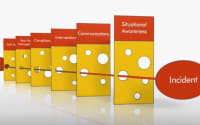
During incidents, many of the barriers that cause the incident have a human element to them. Unfortunately, an incident can happen to the best of professionals, if theses barriers fail.

Human Resource
28 minutes
Avg. rating 4.6

Just culture is a work culture in which crew members do not fear to report errors, own as well as of others because they know that it is important not only for the organisation to learn from these honest mistakes but also for the seafarers’ safety on board. It is also a culture where deliberate misconduct may result in disciplinary action.

Regulations and Policies
37 minutes
Avg. rating 4.2

This course deals with the synoptic analysis of the wind, the clouds and the cold and warm fronts.

Meteorology
30 minutes
Avg. rating 4.5

In 1973, IMO adopted the International Convention for the Prevention of Pollution from Ships, now known universally as MARPOL, which the Protocols of 1978 and 1997 have amended; it has been kept updated with relevant amendments. The MARPOL Convention addresses pollution from ships by oil; by noxious liquid substances carried in bulk; harmful substances carried by sea in packaged form; sewage, garbage and the prevention of air pollution from ships. MARPOL has greatly contributed to a significant decrease in pollution from international shipping and applies to 99% of the world’s merchant tonnage

Regulations and Policies
37 minutes
Avg. rating 4.6

The "Ship Pollution and IMO Environmental Conventions" course is a comprehensive program that covers different types of ship pollution and focuses on MARPOL and other international environmental agencies.

Environment and Sustainability
1 hour and 36 minutes
Avg. rating 4.7

This course refers to activities that involve the handling of perishable food, in the stages of production, storage, cooking, packaging, etc. and it is aimed at personnel with duties related to the administration and handling of food in-service both ashore and onboard cargo and passenger ships.

Health and Wellbeing
39 minutes
Avg. rating 4.5

The issues faced internationally concerning stowaways, migrants & refugees are ever-growing in today's difficult geopolitical environment. Situations involving stowaways and refugees have serious legal ramifications if not handled correctly and we need to adhere to the correct procedures for dealing with problems facing stowaways, migrants and refugees.

Security
39 minutes
Avg. rating 4.7

This course will cover Part A of the Collision Regulations as per the Convention on the International Regulations for Preventing Collisions at Sea, 1972 (COLREGs) and additionally, it will also cover COLREGS from a USCG (US Coast Guard) perspective.

Navigation
37 minutes
Avg. rating 4.6