Exciting changes ahead!As part of Seably joining Mintra, we’re preparing to upgrade customers to Trainingportal. Migrations will be phased, and you’ll be fully informed before any changes. Learn more

Culture, Law and Policy

Explore the global context of maritime activities, delving into the cultural, legal, and policy frameworks that shape the industry.
    Course Types:

  • Ratings:

  • Top Authors:

  • Price:

  • Language:

  • Length:

The concept of accepting things as they are is a fundamental principle of many spiritual and philosophical traditions. It refers to the idea of letting go of our desire to control or change the world around us, and instead, embracing the present moment and the reality of our circumstances. It can be challenging to accept things as they are, however, doing so can bring a sense of peace and freedom that is essential for a fulfilling and meaningful life.

Health and Wellbeing
9 minutes
Avg. rating 4.5

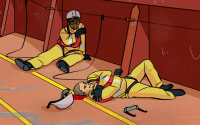
New crew members joining a ship must be familiarised with their duties and essential information about the ship. This ensures they understand their responsibilities thoroughly before commencing their duties. Proficiency and familiarisation are critical factors in preventing failures and safety hazards. Though all crew personnel joining the ship have to do STCW training, there are several specific instructions which are essential for safe operations on ships.

Personal Safety
1 hour and 8 minutes
Avg. rating 4.5

This course is intended to provide basic knowledge of the International Safety Management Code, ISM code. The purpose of the ISM Code is to provide an international standard for the safe management, safe operation of ships and pollution prevention. The ISM Code is one of the most fundamental regulations within international shipping. Therefore, knowledge about the rules is of utmost importance so that you are aware of the requirements and expectations.

Personal Safety
19 minutes
Avg. rating 4.6

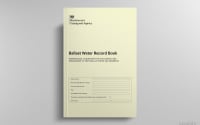
Ballast Water Record Book (BWRB) training is an essential component for maritime personnel involved in the operation and management of ships. This training is designed to familiarise individuals with the proper procedures and protocols outlined in the Ballast Water Management (BWM) Convention regarding the recording of ballast water-related activities.

Regulations and Policies
19 minutes
Avg. rating 4.6

The new SIRE 2.0 is a revolutionary new way of completing the inspection process, using digital hardware and a reporting portal rather than the paper inspection process.

Inspections
46 minutes
Avg. rating 4.4

In an environment with a speak-up culture, everyone is free and safe to express themselves and feel appreciated for doing so. When you encourage your crew to speak up — and therefore promote a speak-up culture — you empower them, keep them involved and feel confident that their input is valued.

Leadership and Management
15 minutes
Avg. rating 4.4

Social media has become an integral part of life on a ship. However, there is a responsibility that comes with the crew's opportunity to access and use social media; this is rarely discussed or questioned.

Security
39 minutes
Avg. rating 4.5

In this course you will learn about The International Ship and Port Facility Security (ISPS) Code. This code describes how ships, ports and government agencies should act when it comes to security. It gives you guidance on how to act when working in the maritime industry.

Legislation
6 hours and 12 minutes
Avg. rating 4.2

Clear instructions are simple, specific and short but complete. When you give clear instructions, you avoid confusion, rework and wasted time. At the same time, you help your team become confident in doing their job.

Communications
14 minutes
Avg. rating 4.5

Being able to respectfully, sincerely and constructively express your thoughts, desires and concerns in the face of a potential conflict or stressful situation is being assertive.

Communications
17 minutes
Avg. rating 4.8

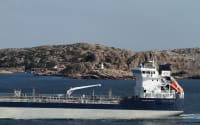
The Ship Inspection Report Program (SIRE) is a standard assessment used by tanker owners and operators in order to identify any operational deficiencies in their fleet or their ship. VIQ, Vessel Inspection Questionnaire, is a document within the SIRE, which offers and ensures ships' safety by means of additional safety precautions for all tankers. Chapter 8 of the VIQ covers Cargo and Ballast Operations on Petroleum Tankers. In this course, we will discuss this chapter and common observations that are found by vetting inspectors with regard to Cargo and Ballast Operations.

Inspections
31 minutes
Avg. rating 4.5

Lighthouses, buoys and navigational aids are indispensable to the mariner; however, they are only as useful as the ability of the mariner to read them. Apart from being able to read and understand the different marks, one must also appreciate the limitations of such marks, to make a full appraisal and a complete risk assessment during all stages of voyage planning.

Navigation
1 hour and 48 minutes
Avg. rating 4.4