Exciting changes ahead!As part of Seably joining Mintra, we’re preparing to upgrade customers to Trainingportal. Migrations will be phased, and you’ll be fully informed before any changes. Learn more

All Topics

Designed for seafarers seeking to enhance their skills and knowledge in the maritime industry. These comprehensive courses cover a range of topics, including navigation, safety protocols, emergency procedures, and industry regulations.
Courses to Get You Started
    Explore:

  • Course Types:

  • Topics:

  • Ratings:

  • Top Authors:

  • Price:

  • Language:

  • Length:

Containers are now responsible for the vast majority of cargo moved around the world. The safety precautions, regulations and operations of container vessels are important for the correct shipping of these vital cargo packages.

Cargo Handling
49 minutes
Avg. rating 4.6

The International Load Line Regulations require vessels to sail in a safe condition, taking into account transverse and longitudinal stability. Ships officers should be able to determine the initial sailing condition of a vessel to ensure it complies as well as calculate the effects on transverse and longitudinal stability from moving weights on, off and around the vessel.

Stability
35 minutes
Avg. rating 4.4

Hours of Rest have long been one of the most contentious topics among seafarers across all sectors of the maritime industry. Given that many at sea face fatigue from extended periods of work as well as sporadic and often broken sleep, it’s not surprising that they take a keen interest in the regulations governing their hours of work and rest.

Regulations and Policies
12 minutes
Avg. rating 4.7

The Suez Canal is one of the world's largest and most important shipping routes. In the spring of 2021, it was blocked by a navigation incident onboard the Evergreen container vessel, The Ever Given. This had wide-ranging implications for the shipping industry and global trade as a whole.

Navigation
9 minutes
Avg. rating 4.5

In today's competitive world, personal branding has become the cornerstone of success. This course is designed to guide you through the process of developing a powerful personal brand that resonates with your values and goals.

Communications
33 minutes
Avg. rating 4.1

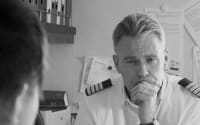
The manoeuvre through the eyes of the harbour pilot. What does he see from the bridge, and what are his arguments. It is the first step that the trainee pilot takes during his study path.

Ship Handling and Manoeuvring
20 minutes
Avg. rating 4.1

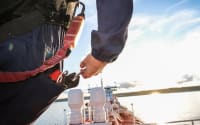
Falling to a lower level is one of the most common workplace accidents, and falling from even a low height can be fatal. Working at Height is a course that gives basic knowledge of personal falling protection. When do you need to protect yourself or your employees from falling, how do you do it, and what equipment do you need?

Deck Operations
24 minutes
Avg. rating 4.5

Ships are inherently dangerous workspaces, made doubly so by the fact that they move and rock while underway. Slips, trips and falls are therefore one of the most prevalent ways for personnel to injure themselves if correct precautions are not taken.

Personal Safety
23 minutes
Avg. rating 4.5

This course covers the main material included in the Advanced Chemical Tanker Training course as set out by STCW.

Deck Operations
4 hours and 40 minutes
Avg. rating 4.4

Certification is required by flag states for compliance on board vessels for all food handlers. That includes the service of beverages. This is an initiative under the Maritime Labour Convention (MLC).

This is a short awareness of the role of a supervisor for food safety management onboard.

Interior and Service
9 minutes
Avg. rating 4.5

It is key to learn from accidents that have occurred to be able to succeed in shipping. This incident is based on the experiences of the UK P&I Club. Accidents like the one in this course can and do happen. As you go through this course, ask yourself, "Could this happen on my ship?"

Navigation
12 minutes
Avg. rating 4.6

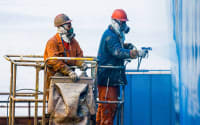
The work environment onboard ships is extremely complex, containing various hazards and risks. Due to this, rules and regulations were introduced to create a standard onboard, ensuring a better and safer work environment. This is done by the implementation of safety management systems and by training seafarers to recognise everyday risks and hazards and understands how they can mitigate them by the use of personal protective equipment and safe working practices.

Regulations and Policies
1 hour and 35 minutes
Avg. rating 4.2