Exciting changes ahead!As part of Seably joining Mintra, we’re preparing to upgrade customers to Trainingportal. Migrations will be phased, and you’ll be fully informed before any changes. Learn more

All Topics

Designed for seafarers seeking to enhance their skills and knowledge in the maritime industry. These comprehensive courses cover a range of topics, including navigation, safety protocols, emergency procedures, and industry regulations.
Courses to Get You Started
    Explore:

  • Course Types:

  • Topics:

  • Ratings:

  • Top Authors:

  • Price:

  • Language:

  • Length:

Every year, many people become ill unnecessarily because of their food. This is usually a lack of procedures, ignorance, or sheer negligence. All employees in the company must take responsibility for food safety.

Health and Wellbeing
45 minutes
Avg. rating 4.5

In this course, we will talk about preventive conservation, what it is and how important it is. Art placement onboard the vessel and the importance of where it is placed will be discussed, together with object handling and cleaning do's and don'ts. Various case studies and anecdotal disaster stories will also be included to highlight the importance of preventive conservation. Unfortunately, such disasters stem from when personnel are unaware of what it takes to care for art or even unaware that what they're dealing with is art.

Interior and Service
45 minutes
Avg. rating 4.3

When working onboard, one is exposed to hazards and risks all the time. By raising awareness of the hazards, the likelihood can be decreased and thereby, also the potential risk. This course is intended to provide you with the fundamental knowledge of Risk Assessment onboard and give you a useful tool to handle potential risks.

Risk Management
33 minutes
Avg. rating 4.5

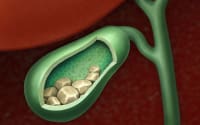
Cholelithiasis, or gallstones, is a highly prevalent medical problem especially in developed countries, affecting 10% to 15% of the adult population. It is also a leading cause of hospital admissions and health care utilisation related to gastrointestinal problems. Although some significant risk factors are non-modifiable such as advanced age, gender and heredity, some are also lifestyle-related such as obesity, rapid weight loss and sedentary lifestyle. Given the lifestyle-related risk factors of cholelithiasis, seafarers may be at increased risk due to the circumstances on board.

Avg. rating 4.6

The Ship Inspection Report Program (SIRE) is a standard assessment used by tanker owners and operators in order to identify any operational deficiencies in their fleet or their ship. VIQ, Vessel Inspection Questionnaire, is a document within the SIRE, which offers and ensures ships' safety by means of additional safety precautions for all tankers. Chapter 12 of the VIQ covers Operations in Ice and Polar Waters. In this course, we will discuss this chapter and common observations that are found by vetting inspectors with regard to operations in polar waters.

Inspections
51 minutes
Avg. rating 4.3

This is a short guide to the Fireman's outfit and the Self-Contained Breathing Apparatus. Courses from Navguide Solutions will help you learn on-job skills and improve your results in third-party Inspections, such as Port State, SIRE, Rightship, Audits, etc. They will also assist you in getting ready for promotions, and becoming a thorough professional.

This course does not cover any details of documentation.

Inspections
10 minutes
Avg. rating 4.6

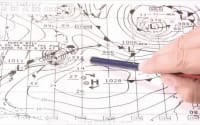
This course explains all the basic principles of weather formation.

Meteorology
25 minutes
Avg. rating 4.7

This course focuses on fire safety protocols with emphasis on safety on board a vessel.

Firefighting
15 minutes
Avg. rating 4.3

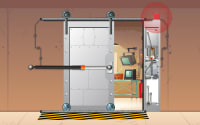
Watertight doors are an integral component of any vessel. This course will give you a greater understanding and respect of these 'moving walls/bulkheads'.

Risk Management
1 hour and 16 minutes
Avg. rating 4.5

This is a comprehensive introduction to First Aid and the techniques for administering basic medical care.

Medical
2 hours and 4 minutes
Avg. rating 4.7

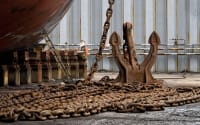
An anchor is an essential tool, often underestimated. However, dropping an anchor remains the last thing to do when there are no other options available, and in its simplicity can help us save a manoeuvre. In this course, we will see how to use the anchor practically to moor, unmoor, slow down or stop the ship by going through some of the manoeuvres performed. We will also see how and when to intervene to manage an emergency.

Ship Handling and Manoeuvring
2 hours and 38 minutes
Avg. rating 4.5

Man Overboard is one of the various emergencies that can occur onboard ships, and like every other emergency, a man overboard requires immediate and precise intervention. To ensure that action is taken without delay in such an event, every crew member onboard is trained in man overboard procedures and drilled on their specific duties at regular intervals as required by SOLAS. The correct and timely application of the procedures to be followed will in return increase the probability of a successful recovery and decrease the probability of casualty.

Emergency Procedures
39 minutes
Avg. rating 4.6